Kopi O Explained: Singapore’s Classic Black Coffee; A Rich and Aromatic Local Coffee Experience
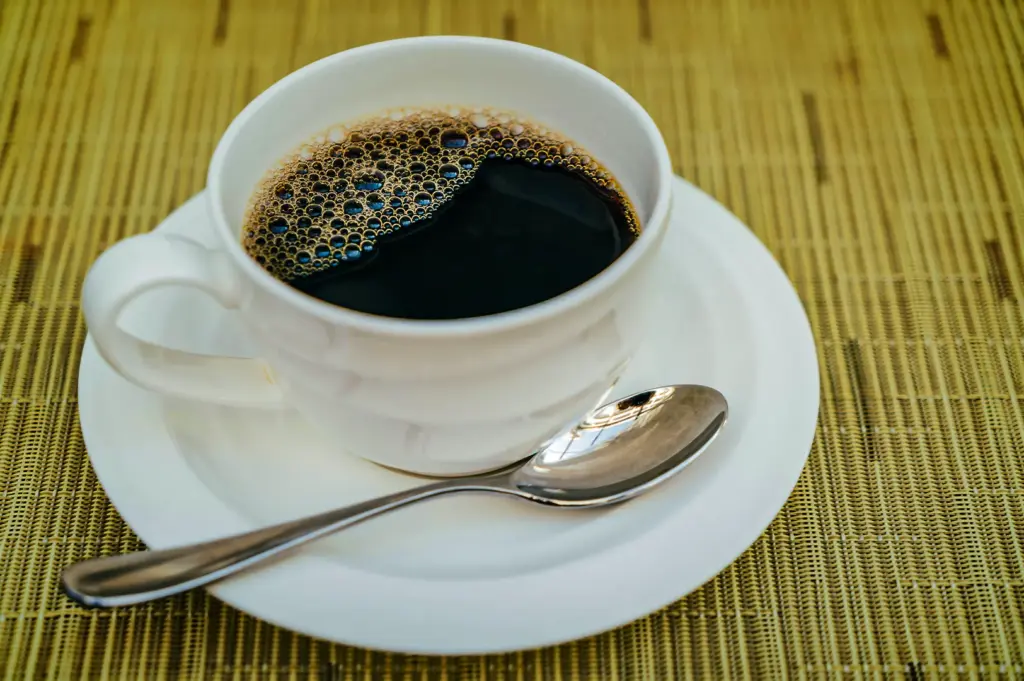
There’s a sound you only hear in an old kopitiam; the clatter of a spoon against a thick porcelain mug, followed by the long pour of coffee from a battered kettle. Somewhere in that morning rush, someone calls out “kopi o!” and seconds later a dark, glossy cup lands on the marble table.
That cup is kopi o, and it’s one of the most honest beverages you’ll ever drink in Singapore. No milk to soften it, no latte art to impress you; just roasted beans, a little sugar, and generations of everyday ritual. If you’ve walked past it a hundred times without ordering, this one’s worth slowing down for.
Table of Contents
- What Is Kopi O? Understanding Singapore’s Classic Black Coffee
- The History and Culture Behind Singapore Kopi
- How Kopi O Is Made
- Kopi O vs Other Singapore Coffee Orders
- How to Order Kopi O Like a Local
- Why Kopi O Still Matters in Singapore’s Coffee Scene
- FAQ
- One Last Sip
What Is Kopi O? Understanding Singapore’s Classic Black Coffee
So, what is kopi o? In simple terms, it’s black coffee brewed the traditional Singapore way, sweetened with sugar and served without any milk.
The name gives away its story. “Kopi” is the Malay word for coffee, while “o” comes from the Hokkien word for black. Put them together and you get kopi o meaning, quite literally, “black coffee.” It’s the base from which every other kopi order coffee variation branches out.
Here’s where it differs from a modern black coffee at a specialty café. A pour-over or filter coffee aims for clean, bright, delicate flavours. Kopi o goes the other direction; deep, roasty, and full-bodied, with a bittersweet edge that lingers. The sugar isn’t an afterthought; it’s part of the drink’s identity, though you can ask for extra sugar or less if you prefer.
The History and Culture Behind Singapore Kopi
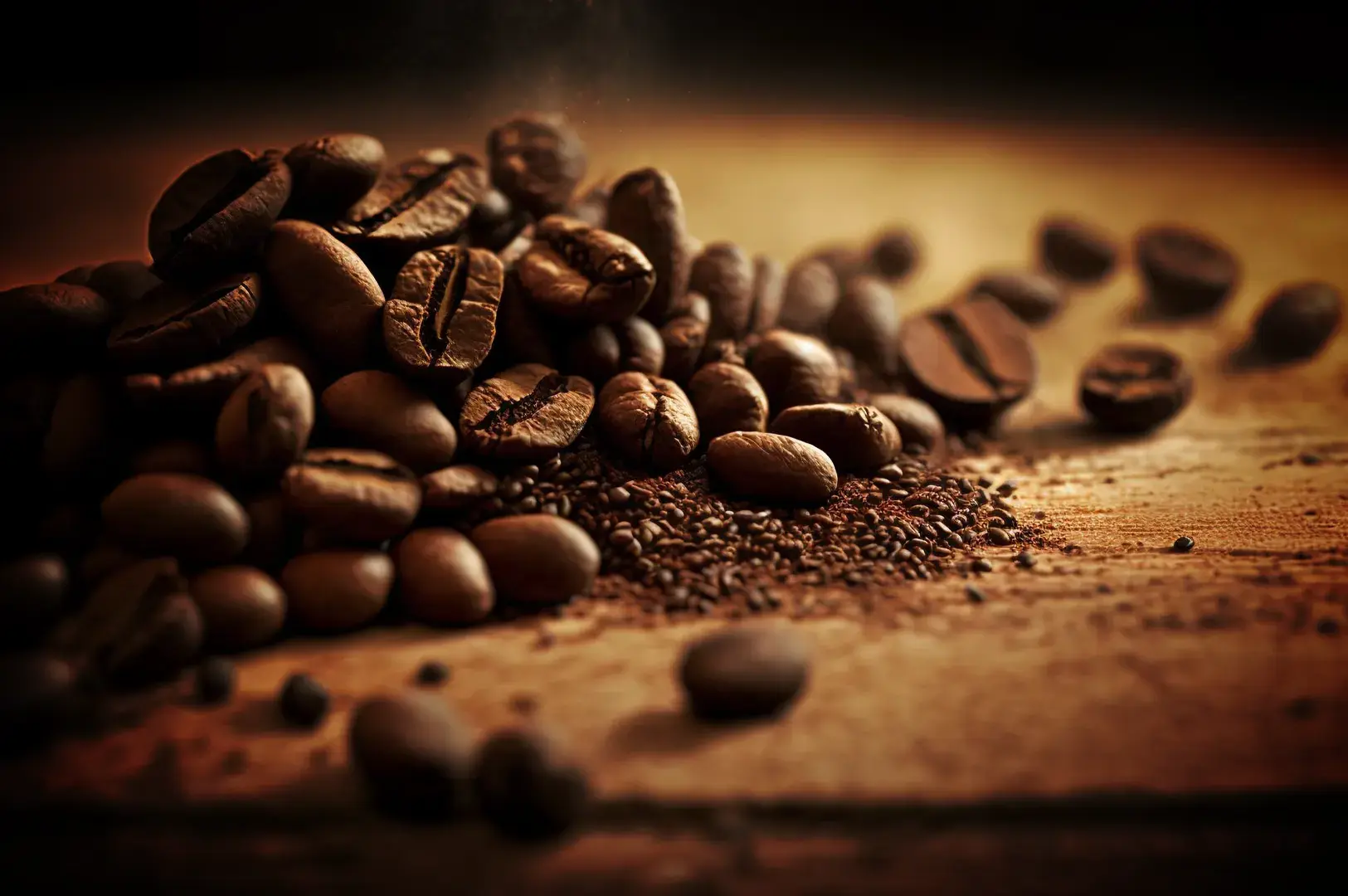
To understand kopi o, you have to understand Nanyang coffee; a style from Southern Seas Chinese immigrants in Southeast Asia, including Malaysia and Singapore. They adapted local beans into a unique roasting style.
This style took root in the kopitiam; traditional coffeeshops and hawker centres that became community hubs. Here, uncles read newspapers, friends debated football, and strangers shared tables.
Much of the ordering language blends Hokkien and Malay, a living piece of Singapore’s multicultural history poured fresh daily. Despite challenges like natural calamities and political instability affecting roasters and supply, kopi remained a constant go-to drink.
Even as cafés grew, kopitiams and hawker centres stayed busy because kopi o remains cheap, quick, and comforting.
How Kopi O Is Made
The magic of kopi o starts long before the water hits the cup. The coffee beans are roasted the Nanyang way, often with sugar, salt, and a touch of margarine or butter. This caramelises the surface of the beans, giving kopi its signature dark, toasty aroma.
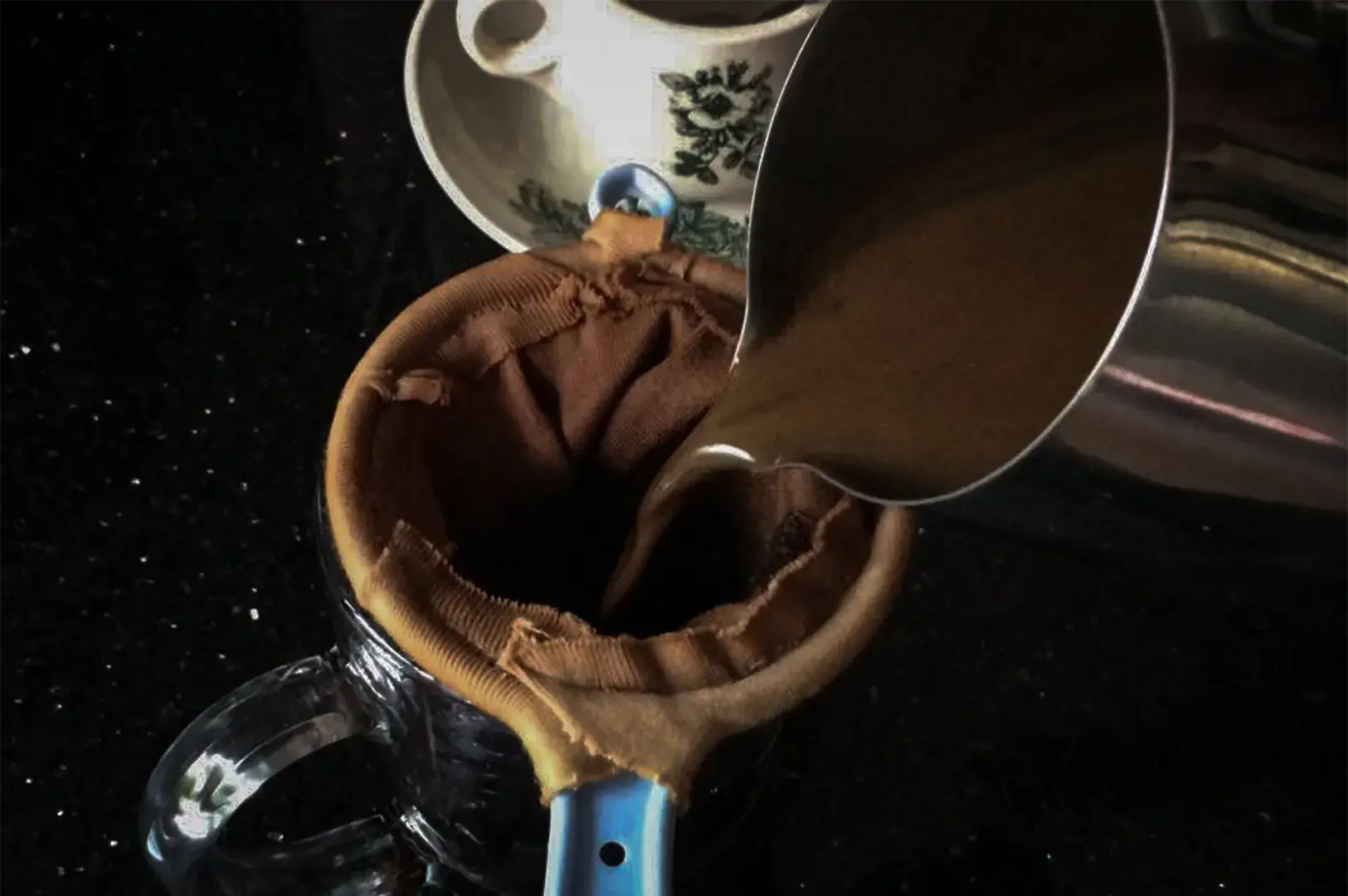
Once roasted and ground into coffee powder, the coffee is brewed using a cloth filter shaped like a sock; which is exactly why locals sometimes call it “sock coffee.” The grounds go inside, hot water passes through slowly, and the result is a concentrated, richly flavoured brew.
The coffee is then diluted with more water to taste and sweetened with sugar. For kopi o, that’s the whole recipe: brew, sweeten, serve.
Compare that to specialty coffee brewing, where baristas fuss over grind size, water temperature, and extraction time down to the second. Neither is better; they’re just different philosophies. One chases precision and clarity; the other chases warmth and familiarity.
Kopi O vs Other Singapore Coffee Orders

Ordering kopi is a language of its own. Once you learn a few words, the whole menu unlocks. Here’s how the most common orders compare:
1. Kopi o
Meaning: Black coffee, sweetened
Ingredients: Coffee + sugar
2. Kopi o kosong
Meaning: Coffee with evaporated milk
Ingredients: Coffee + evaporated milk + sugar
3. Kopi C
Meaning: Coffee with evaporated milk
Ingredients: Coffee + evaporated milk + sugar
4. Kopi Siew Dai
Meaning: Coffee, less sweet
Ingredients: Coffee + condensed milk + less sugar
5. Kopi Gah Dai
Meaning: Coffee, extra sweet
Ingredients: Coffee + condensed milk + more sugar
6. Kopi Gu
Meaning: Coffee with fresh milk
Ingredients: Coffee + fresh milk + sugar
7. Kopi gau / kopi gao
Meaning: Strong coffee
Ingredients: Coffee (extra strong) + condensed milk + sugar
8. Kopi Peng
Meaning: Iced coffee
Ingredients: Coffee + condensed milk + sugar + ic
Notice the pattern. Plain “kopi” typically comes with condensed milk and sugar by default. Adding “o” removes the milk. Adding “c” swaps in evaporated milk. Then you fine-tune the sweetness and strength with a few extra words.
How to Order Kopi O Like a Local
Ready to try it yourself? Here’s how the phrases stack up in practice:
- “Kopi o”—black coffee with sugar, the everyday classic and perfect caffeine fix.
- “Kopi o kosong”—black coffee, no sugar at all. “Kosong” means empty or zero.
- “Kopi o siew dai”—black coffee with less sugar, for a gentler sweetness.
A few handy words to remember:
- O = no milk (black)
- Kosong = no sugar
- Siew dai = less sweet
- Gah dai = more sweet or extra sugar
- Gau / gao = stronger brew
- Peng = iced or cold
Mix and match freely. Want a strong, iced black coffee with less sugar? “Kopi o gau siew dai peng” and you’re speaking fluent kopitiam. Don’t worry about getting it perfect on the first try, the uncle behind the counter has heard it all.
Why Kopi O Still Matters in Singapore’s Coffee Scene
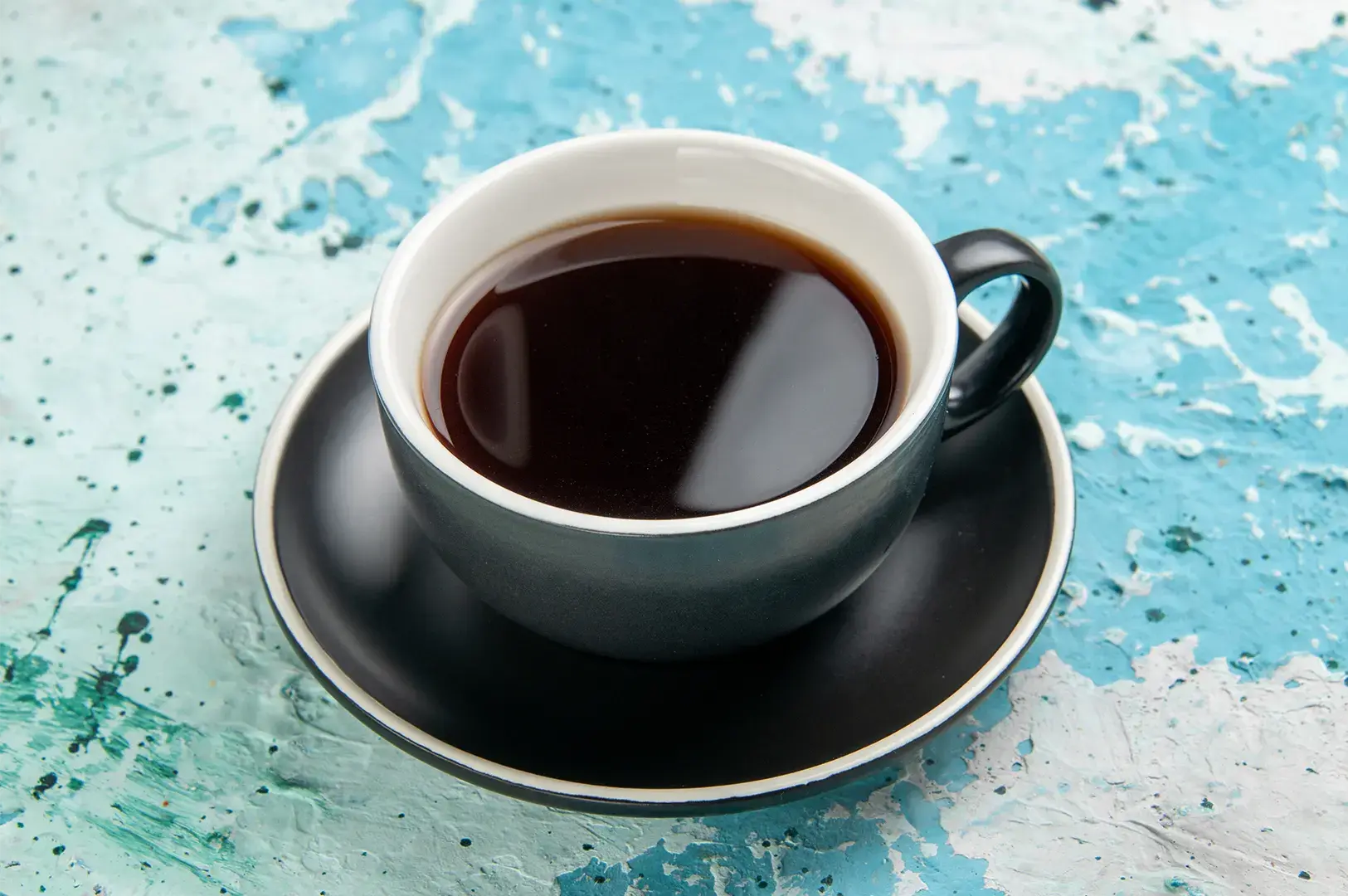
Singapore’s coffee culture has grown wonderfully layered. On one street you’ll find a heritage kopi stall pouring sock coffee the way it’s been done for decades. Around the corner, a specialty café weighs beans and dials in espresso. Kopi consumption rose significantly after World War II in Singapore.
The best part? You don’t have to choose. A good coffee lover can appreciate both; the precision of a flat white and the soul of a kopi o. Each tells you something different about how people take their coffee, and why. Many brands and coffee roasters now explore kopi variations, offering new twists while honoring tradition. You can even bring home your own kopi blend to enjoy.
Kopi o reminds us that great coffee doesn’t need to be complicated. Sometimes it just needs to be true to where it comes from.
Coffee Beans and Coffee Roasters: The Heart of Kopi O
The distinctive flavor of kopi o is deeply tied to the type of coffee beans used and the skill of the coffee roasters. Kopi o is traditionally made from Robusta coffee beans, which are preferred for their bold, strong taste and higher caffeine content compared to Arabica beans. These beans are typically sourced from Indonesia and Vietnam, regions known for producing robust and flavorful coffee suited to the Nanyang roasting style.
Coffee roasters play a crucial role in defining kopi o’s unique character. The traditional roasting process involves roasting the Robusta beans with margarine, sugar, and a pinch of salt at around 180 degrees Celsius for about 25 minutes. This method caramelizes the beans’ surface, creating the signature dark, smoky, and slightly caramelized aroma that kopi o is famous for. Some roasters add their own secret touches, but the essence remains rooted in this time-honored technique.
In Singapore, several heritage coffee roasters and brands continue to uphold these traditional methods, ensuring that each cup of kopi o carries the rich legacy of Nanyang coffee culture. These roasters not only supply coffee to kopitiams but also cater to the growing business of packaged kopi blends for home brewing, helping to keep the kopi tradition alive in modern times.
One Last Sip
Kopi o is more than a cheap cup of black coffee. It’s a shared table at the kopitiam, a quick catch-up before breakfast, a familiar taste that ties generations together. It carries the history of Nanyang roasters and the everyday rhythm of Singapore life in every sip.
The world of kopi o also opens the door to exploring different types of coffee, each with its own unique twist on the traditional brew. From the creamy kopi C to the strong and bold kopi gao, these variations showcase the rich diversity within Singapore’s coffee culture.
So next time you pass a coffeeshop or one of the many outlets around the island, skip the usual and call out “kopi o.” Drink it slow, listen to the clatter around you, and taste a little piece of Singapore. Then tell us, how do you take your kopi?
More from the journal
One more story for your coffee break.
Finding Comfort in an Ordinary Cup: Why Everyday Coffee Matters
Most of the coffee I drink will never be photographed. It won’t come with tasting notes or a story about […]
YY Kafei Dian Reviews: Authentic Hainanese Kopitiam Experience with Kaya Buns, Chicken Rice & More on Beach Road
Some coffee discoveries begin with a new café opening. Others begin with a name that keeps coming up whenever people […]

Different Types of Coffee in Singapore: From Kopi to Specialty Coffee Drinks
Last Tuesday I watched an uncle at a kopitiam in Toa Payoh order his kopi o with a two-word grunt, […]