Singapore Kopitiam Culture: How Traditional Coffee and Dishes Shaped the Island
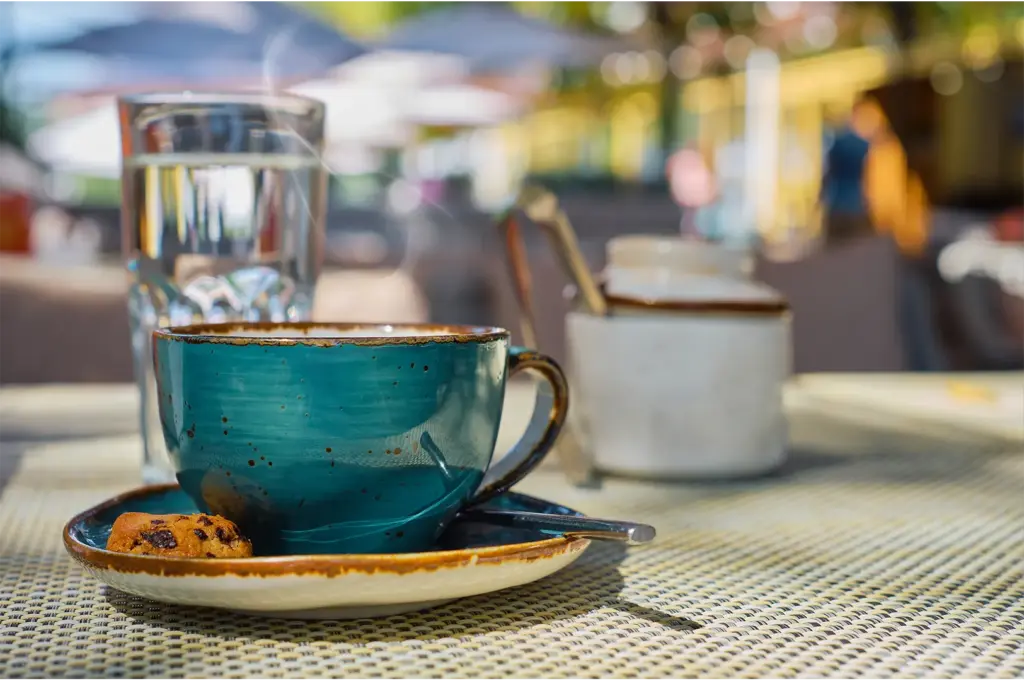
The kettle tips, a long pour of dark coffee lands in a thick porcelain cup, and someone calls out an order in that quick, clipped shorthand only locals seem to catch. Beside the kopi arrives kaya toast and two soft-boiled eggs, still trembling in their bowl. This is the everyday rhythm of a Singapore kopitiam and behind that ordinary breakfast sits generations of coffee history.
Most of us have grown up around these coffee shops without stopping to think about how they came to be. So let’s slow down over a cup and trace how kopi shaped the island.
What Is a Singapore Kopitiam?
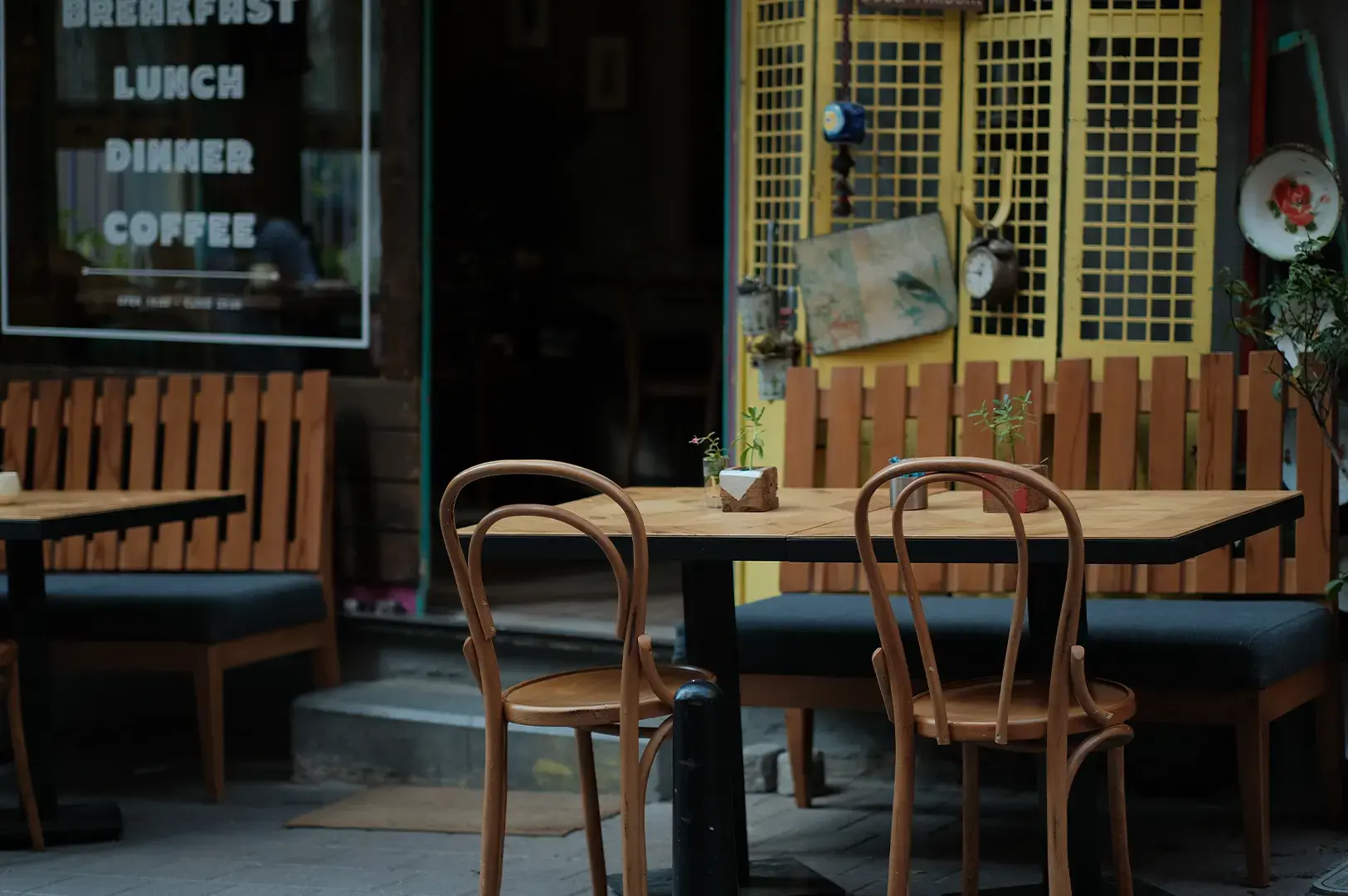
A kopitiam is a traditional coffee shop in Singapore. The word combines “kopi,” the Malay word for coffee, with “tiam,” the Hokkien word for shop.
But it’s more than a place to grab a drink. A kopitiam works as a neighbourhood coffee shop and communal eating space, where kopi, teh, toast, eggs, and food from several stalls often share one roof. You order your coffee at the drinks counter, wander to a stall for noodles or rice, and sit at whatever table has room.
That mix of coffee, food, and shared seating is what makes the kopitiam feel so distinctly Singaporean. In fact, most kopitiams offer a variety of traditional dishes alongside their signature drinks, making them essential spots for local cuisine.
How Singapore’s Kopitiam Culture Began
According to the National Heritage Board, the Hainanese-owned kopitiam emerged in the 1930s, first as a male-dominated spot where Chinese bachelors gathered for a simple breakfast of toast, eggs, and a hot drink. Many Hainanese migrants had worked in domestic service and hotel kitchens, where they picked up European habits around bread, butter, and preserves then blended those with their own cooking.
That’s a big part of why coffee, toast, and kaya ended up on the same table.
Still, it’s worth being careful here. The Hainanese shaped much of the coffee-shop trade, but they didn’t invent Singapore’s entire coffee culture on their own. The wider landscape also included Malay kedai kopi and Indian teh sarabat stalls, each pouring their own version of a morning drink.
Put together, these traditions tell a bigger story, an island where languages, recipes, and coffee habits met and slowly became something shared.
Why Kopitiam Coffee Tastes Different
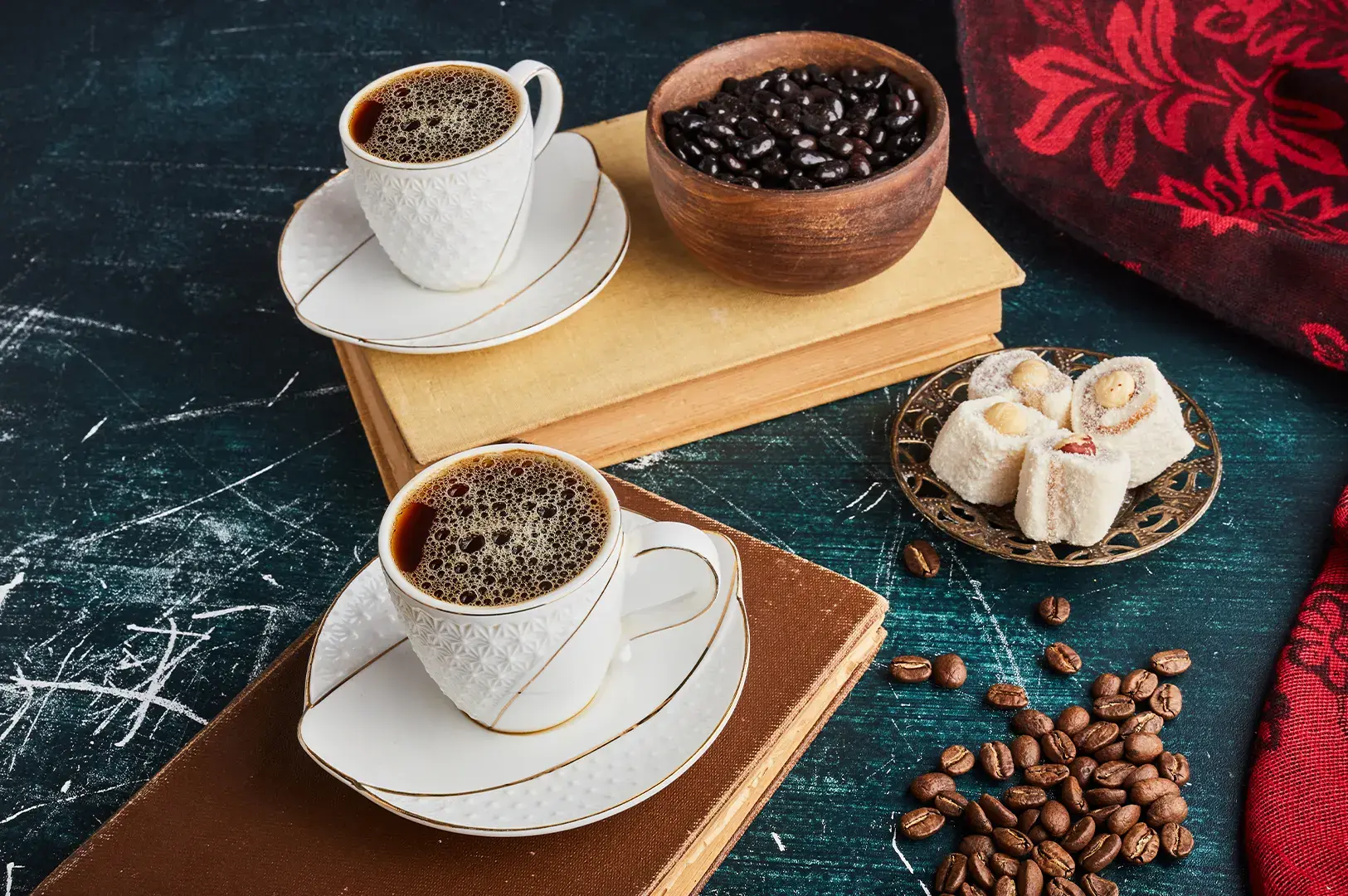
Traditional kopi tastes bold, dark, and sweet in a way that surprises people used to café coffee. That character starts with the roast.
Kopi beans are roasted dark, often with sugar and, historically or in some preparations, margarine or butter. This caramelises the surface and gives kopi its deep, toasty edge. The ground coffee is then brewed through a cloth filter; the “coffee sock”; using long-spouted pots that let the brewer pour with control. Condensed milk and sugar finish the cup.
Recipes and techniques vary from shop to shop, so no two kopi taste exactly alike. Compared with espresso-based specialty coffee, which chases clarity and bright origin flavours, kopi leans into richness and comfort. Neither is better, they’re simply different pleasures.
Ready to order? Here’s the shorthand:
- Kopi — coffee with condensed milk and sugar
- Kopi O — black coffee with sugar, no milk
- Kopi kosong — coffee with no sugar
- Siew dai — less sweet
- Gao — extra strong
- Teh — tea, prepared the same milky, sweet way
Mix and match, and you’ll be speaking fluent kopitiam in no time.
Soft-Boiled Eggs, Kaya Toast and the Kopitiam Breakfast
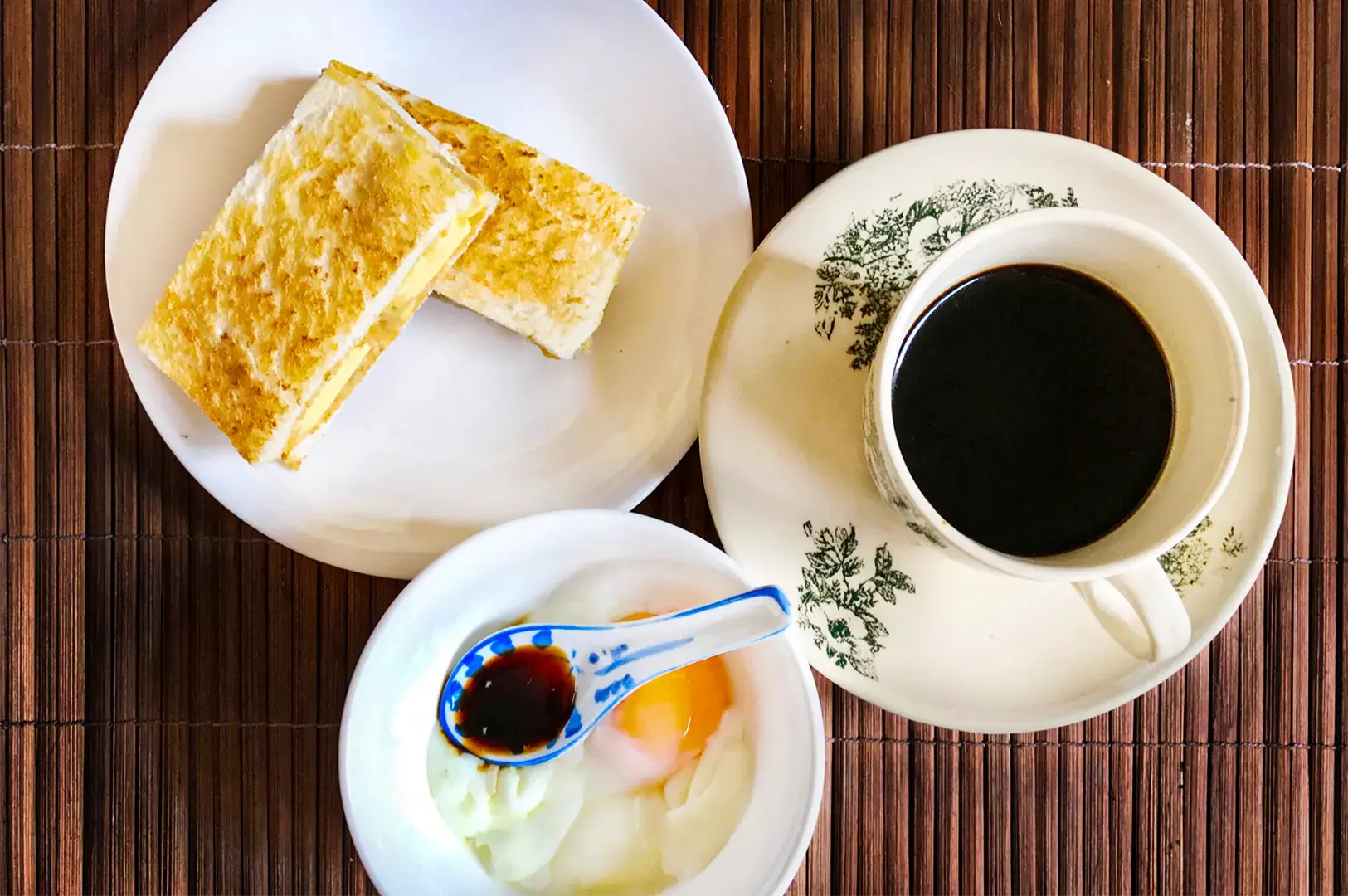
No kopi feels complete without its usual companions. The classic set pairs a cup of kopi or teh with kaya toast and soft-boiled eggs; a combination that became one of Singapore’s most recognisable breakfasts.
The toast is crisp and thin, spread with kaya (a jam of coconut and egg) and a cool slab of butter or margarine that softens against the warm bread. The eggs arrive barely set, gently runny, ready for a splash of dark soy sauce and a shake of white pepper.
You dip the toast into the egg, sip your kopi, and let the sweet, savoury, and toasty notes take turns. It’s simple, affordable, and deeply satisfying; breakfast built for both a rushed worker and a slow morning.
Tong Ah Eating House, Killiney Kopitiam and Living Coffee History
A couple of long-running names make this history feel real.
According to the National Heritage Board, Killiney Kopitiam began in late 1919 at 67 Killiney Road, originally known as Kheng Hoe Heng Coffeeshop and started by a Hainanese immigrant. It’s recorded as Singapore’s oldest operating Hainanese coffee shop, known for charcoal-grilled toast alongside its coffee and tea. The name we know today came later, after the shop changed hands in the 1990s, with Hainanese staff passing their skills on to newer employees.
Tong Ah Eating House is another well-known name, often said to trace its history to 1939 and long associated with the distinctive building at Keong Saik Road before moving nearby.
These places remind us that kopi culture isn’t only a story, it’s still being poured, one cup at a time.
Kopitiam Singapore: More Than Nostalgia
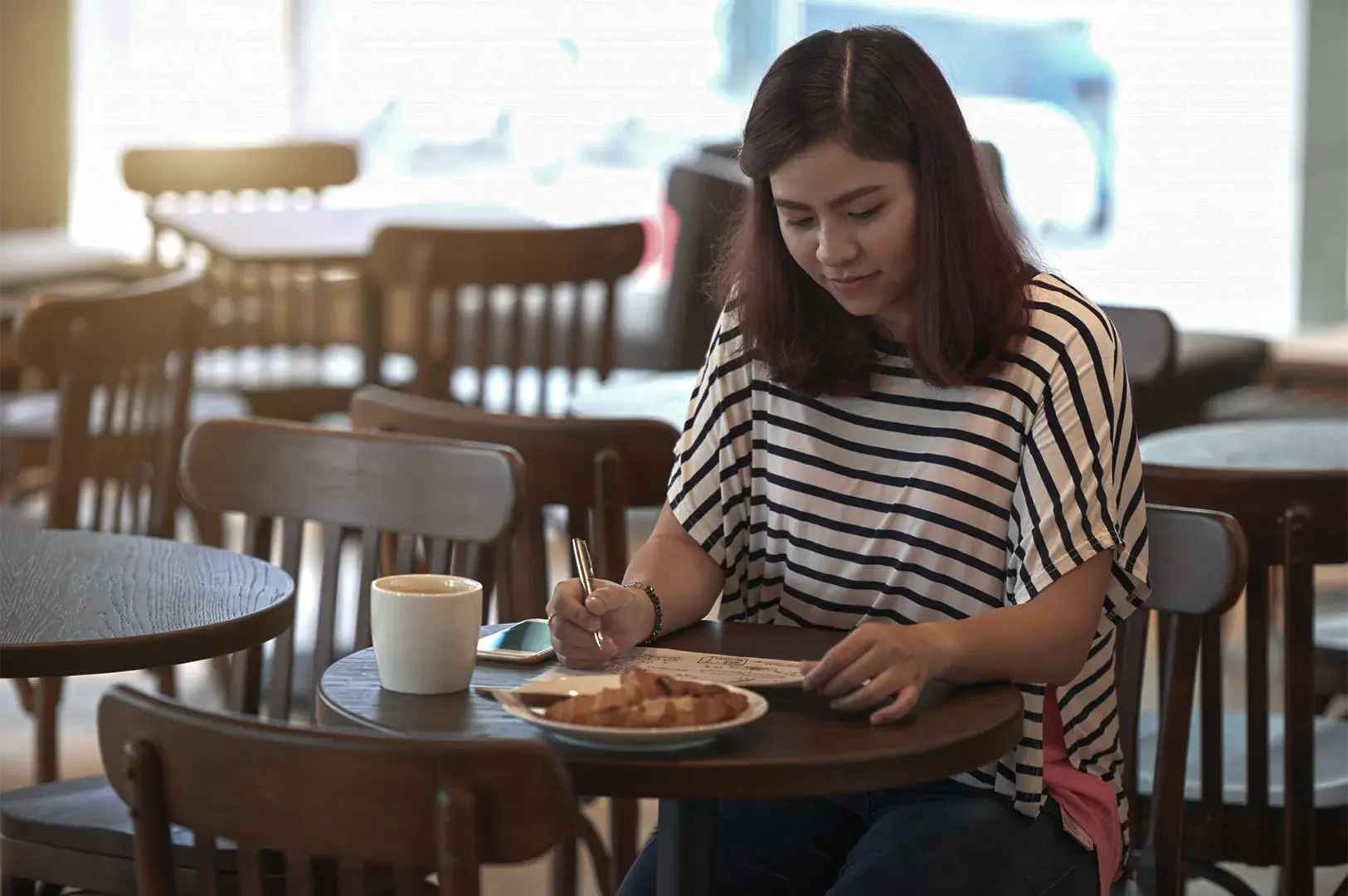
It’s tempting to treat the kopitiam as a museum piece, but that misses the point. Across the island, kopitiams still open early, feed neighbourhoods, and give people somewhere affordable to sit, eat, and talk.
They sit alongside hawker centres and modern cafés without being the same thing. A hawker centre is a larger public food complex with many independent stalls. A kopitiam is a coffee shop at its heart, usually with a drinks counter and a handful of food stalls under one roof. A specialty café, meanwhile, focuses on carefully brewed coffee and a particular atmosphere.
Here’s a way to hold both traditions at once. Specialty coffee invites you to notice origins, processing, and extraction. The kopitiam reveals a different dimension of coffee entirely: habit, community, migration, and belonging. If you’re curious how these styles compare, our guide here.
FAQs About Singapore Kopitiams
What does kopitiam mean in Singapore?
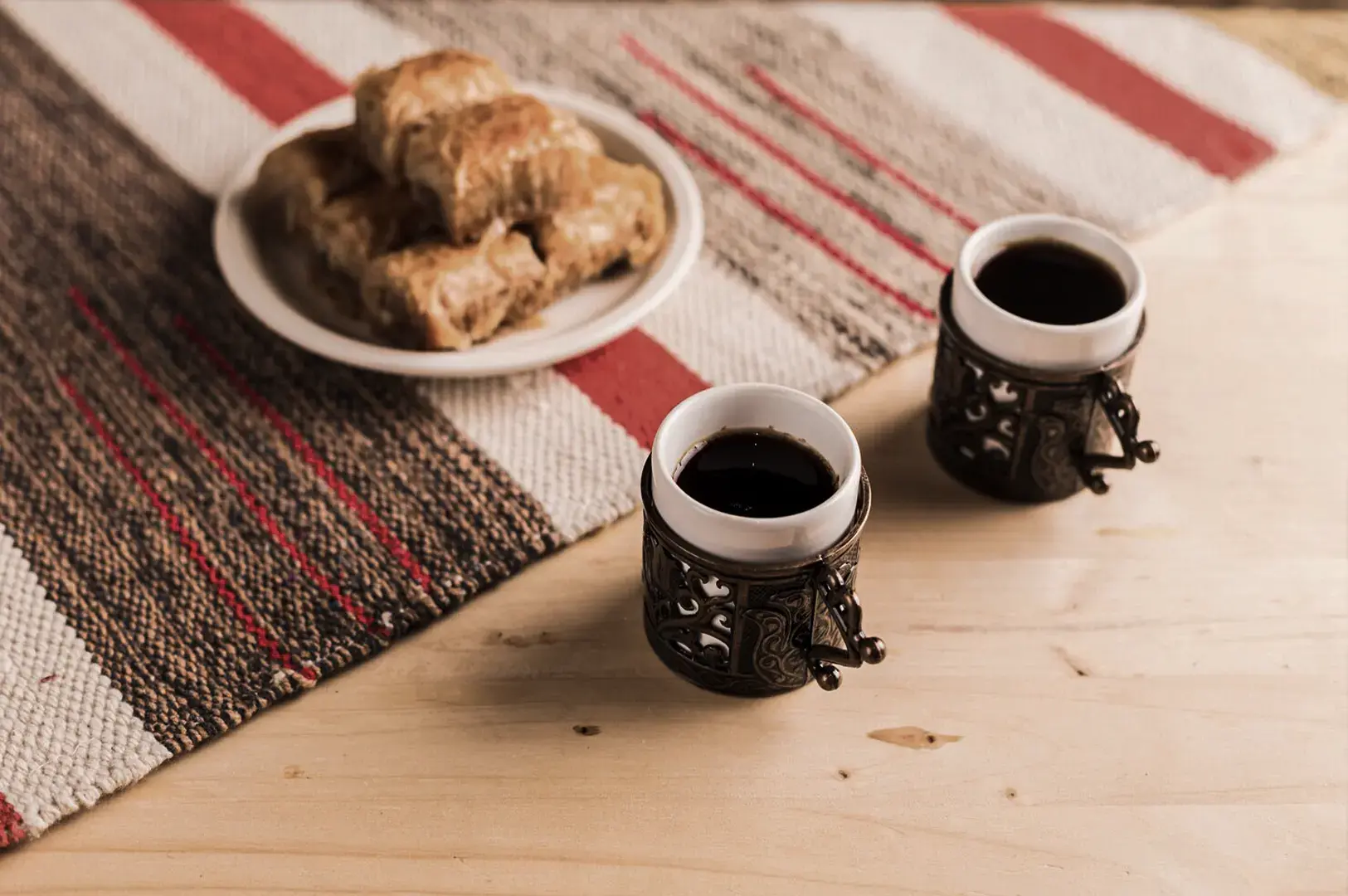
Kopitiam combines “kopi,” the Malay word for coffee, with “tiam,” the Hokkien word for shop. It refers to a traditional coffee shop that also serves food from various stalls.
What do people usually order at a Singapore kopitiam?
Most people order kopi or teh, often with kaya toast and soft-boiled eggs. Depending on the stalls under the same roof, you’ll also find noodles, rice dishes, and other local food.
Is a kopitiam the same as a hawker centre?
Not quite. A hawker centre is a large public complex with many food stalls. A kopitiam is a coffee shop, usually smaller, built around a drinks counter with a few food stalls alongside it.
The Singapore Coffee Story Starts at the Kopitiam
Come back to that cup on the table. It looks like an ordinary kopi, but it carries the work of coffee-shop owners, roasters, and drinkers stretching back generations; the migrants who blended traditions, the brewers who mastered the sock, the regulars who kept the tables full.
Singapore’s coffee scene keeps growing, with new cafés and careful pour-overs earning their place. Yet all of it sits alongside a much older habit of gathering around coffee. Order your next kopi slowly, and you might taste a little of that history too.
In mind of the kopitiam‘s role in Singapore’s culture, many local businesses remain committed to preserving this heritage. They join efforts to ensure the kopitiam continues to serve as an essential part of daily life and community bonding in the city.
More from the journal
One more story for your coffee break.

Finding Comfort in an Ordinary Cup: Why Everyday Coffee Matters
Most of the coffee I drink will never be photographed. It won’t come with tasting notes or a story about […]
YY Kafei Dian Reviews: Authentic Hainanese Kopitiam Experience with Kaya Buns, Chicken Rice & More on Beach Road
Some coffee discoveries begin with a new café opening. Others begin with a name that keeps coming up whenever people […]

Kopi O Explained: Singapore’s Classic Black Coffee; A Rich and Aromatic Local Coffee Experience
There’s a sound you only hear in an old kopitiam; the clatter of a spoon against a thick porcelain mug, […]